
Content strategy is a system
Content strategy decides what information should exist, why it matters, who owns it, where it belongs and how it will stay accurate. Writing is one part of that system. Without strategy, teams produce disconnected pages, repeat the same promises and allow important information to become outdated.
In practice, this means documenting the decision, assigning ownership and checking the result after launch. The details vary by project, but the principle remains the same: make the system understandable enough that another qualified person can maintain it without guessing.
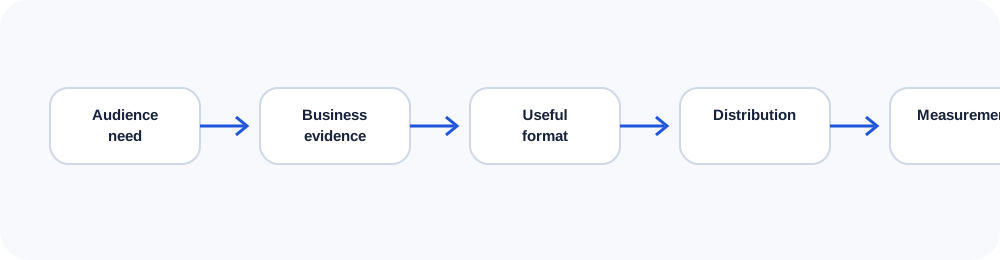
Start with audience decisions
A good page helps someone understand, compare, verify or act. Map the questions that appear before a purchase, during evaluation and after the service begins. Interview sales, support and operations teams because they hear language that keyword tools may miss. Search data is useful, but it should be combined with direct customer evidence.
In practice, this means documenting the decision, assigning ownership and checking the result after launch. The details vary by project, but the principle remains the same: make the system understandable enough that another qualified person can maintain it without guessing.
Connect expertise to evidence
Generic advice is easy to generate and difficult to trust. Strong content includes first-hand process knowledge, examples, constraints, screenshots, data, authorship and clear explanations of trade-offs. A business should identify what it knows from experience and where external evidence is required.
In practice, this means documenting the decision, assigning ownership and checking the result after launch. The details vary by project, but the principle remains the same: make the system understandable enough that another qualified person can maintain it without guessing.
Design a content architecture
Group information into services, guides, case studies, policies, tools and reference pages. Each page needs one primary purpose. Hubs should explain the topic and connect deeper resources. Avoid creating near-duplicate location or keyword pages unless each page serves a distinct audience with genuinely different information.
In practice, this means documenting the decision, assigning ownership and checking the result after launch. The details vary by project, but the principle remains the same: make the system understandable enough that another qualified person can maintain it without guessing.
Create an editorial workflow
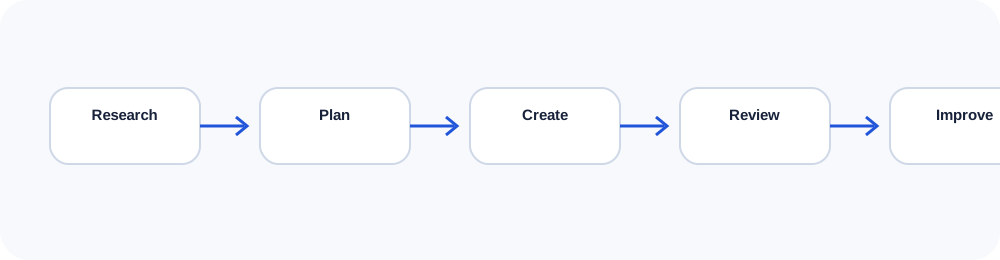
Define briefs, reviewers, approval rules, accessibility checks, image requirements, metadata, links and review dates. Subject experts should verify factual claims, while editors protect clarity and consistency. A calendar is helpful only when responsibilities are realistic.
In practice, this means documenting the decision, assigning ownership and checking the result after launch. The details vary by project, but the principle remains the same: make the system understandable enough that another qualified person can maintain it without guessing.
Measure usefulness and improve
Traffic can show reach, but conversions, assisted journeys, return visits, qualified enquiries and support reduction may better reflect value. Review declining pages, update outdated details, consolidate overlap and remove content that no longer serves a purpose.
In practice, this means documenting the decision, assigning ownership and checking the result after launch. The details vary by project, but the principle remains the same: make the system understandable enough that another qualified person can maintain it without guessing.
Use the companion workbook
Turn the ideas in this lesson into a documented audit, decision or implementation plan.
Frequently asked questions
How often should a business publish?
Publish at a pace that allows useful, accurate and maintainable work; consistency matters more than arbitrary frequency.
What is search intent?
Search intent is the underlying task a person wants to complete, such as learning, comparing or buying.
Should old content be deleted?
Update, merge, redirect or remove it based on usefulness, accuracy, links and whether a better replacement exists.
Who should approve content?
A subject expert should verify facts and an editor should protect readability, consistency and user needs.
Does AI-generated content need review?
Yes. Human review is essential for accuracy, originality, brand fit, evidence and legal or ethical concerns.
Continue learning
Use the next guide, an interactive tool or the related service page to turn this lesson into a practical decision.